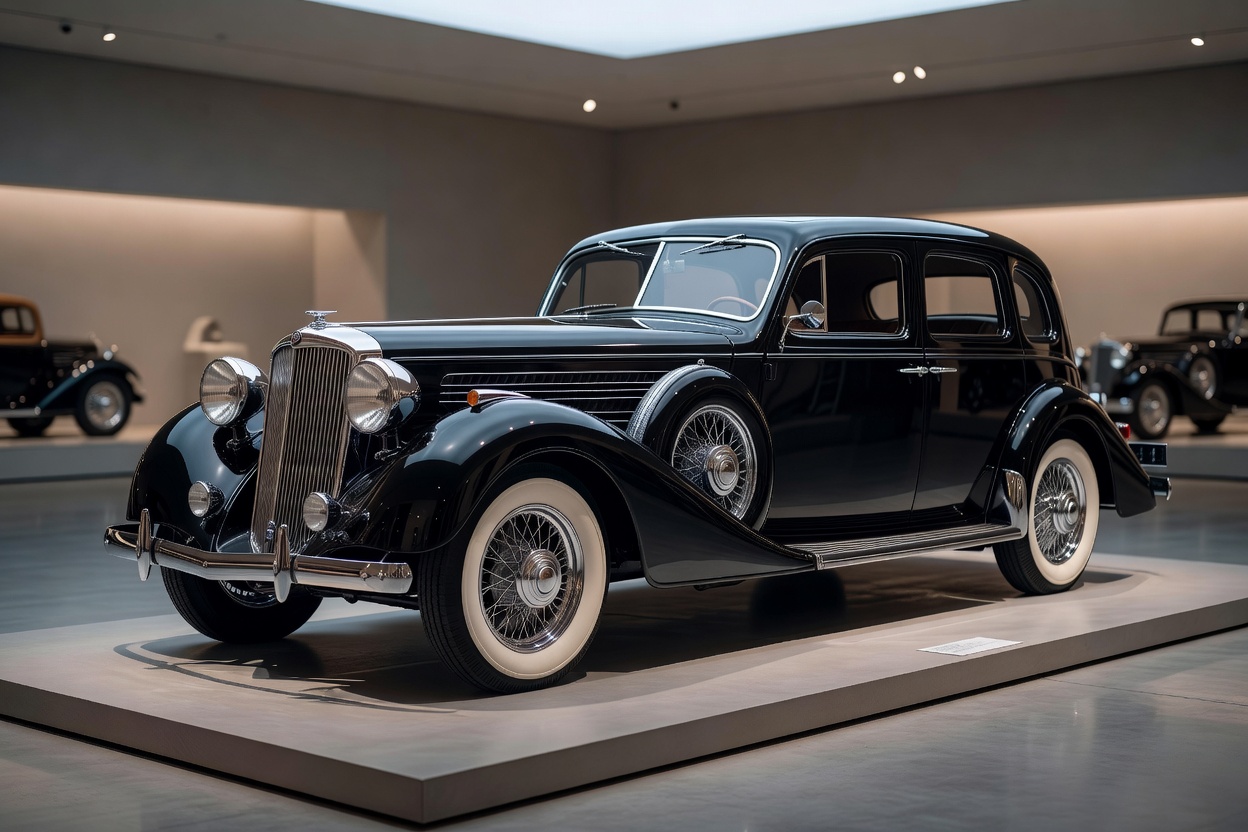
Studying a classic car’s design helps explain what should be preserved and why small details matter. Automotive form reflects engineering, manufacturing, regulation, available materials and changing ideas about comfort. A body line may be shaped by construction constraints as much as fashion; a dashboard layout can reveal how designers balanced visibility, controls and passenger space. Understanding context makes restoration more than a cosmetic exercise.
Design changes with technology and craft
Early coachbuilding often involved a close relationship between a chassis, body construction and skilled craftspeople. In different periods and markets, cars used combinations of steel, aluminum, wood, leather and emerging synthetic materials. Manufacturing methods changed over time, influencing how panels were formed, joined and finished. There is no single universal timeline: practices differed between manufacturers, body styles, regions and individual models.
Classic British roadsters, Italian grand tourers, German touring cars, French design traditions, Scandinavian automotive history and American post-war styling each offer varied perspectives—not fixed stereotypes. Compare specific vehicles, documents and production contexts instead of assuming that a national label explains every design decision. Instruments, seating, glazing and cabin controls also changed as expectations and technologies evolved.
Materials and period styling
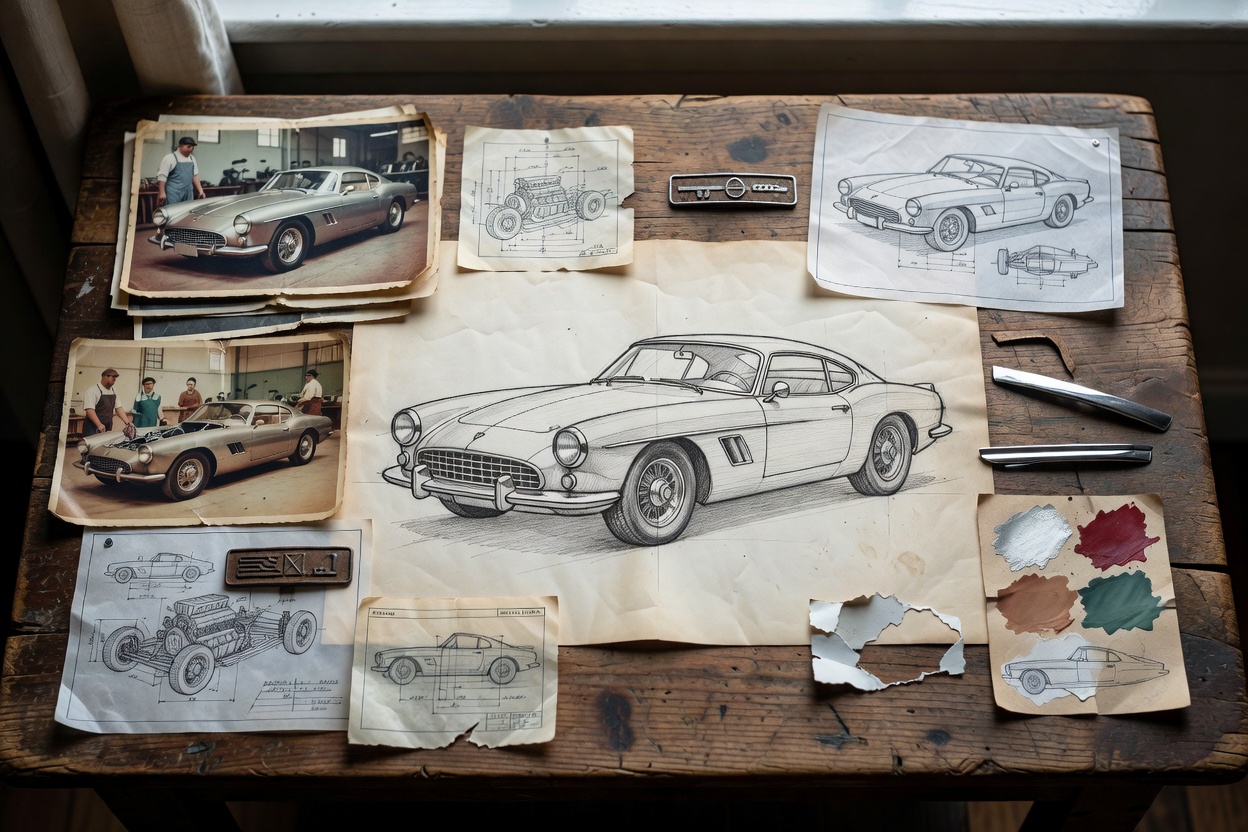
Body panels, interior trim and decorative finishes can use materials with distinct aging patterns. Steel may corrode; aluminum can suffer damage or unsuitable repairs; wood and leather respond to humidity and light. Early synthetic materials have their own appearance and preservation needs. Identify the actual material before choosing a repair or cleaning approach. A finish that looks like a later replacement may prove to be a period repair or a documented market variation.
Paint colors, wheel styles, lamps, mirrors, badges and trim are often discussed as if there were one definitive version. In practice, specifications can differ by production year, destination market, body style and factory options. Later modifications may be meaningful parts of an individual car’s history. Research helps separate a historically plausible feature from a modern assumption without demanding that every vehicle be returned to a single imagined standard.
Researching a vehicle responsibly
Begin with the exact model identification, year, body style and market specification available from the car and its documents. Consult primary materials where accessible: period brochures, manuals, factory literature, archived photographs and reputable marque histories. Specialist clubs and archives may be able to suggest references, but confirm details against more than one source where practical. Museums and collections can provide valuable historical context; check their official websites for current visitor information and catalogues rather than relying on outdated listings.
For example, established institutions such as the British Motor Museum at Gaydon, the Mercedes-Benz Museum in Stuttgart, the Musée National de l’Automobile in Mulhouse and the Museo Nazionale dell’Automobile in Turin are associated with automotive heritage. This is general context, not a claim about current exhibitions, opening hours or services. Consult each institution’s official information directly. wavesnordjlt.quest is independent and is not affiliated with these institutions or any manufacturer.
Compare details, not assumptions
Original feature
Evidence may include period photographs, factory documents, surviving material and consistent examples. A component can be original yet altered over time; age alone does not authenticate it.
Good for: documenting what the vehicle currently retains.
Period-correct replacement
A compatible replacement may fit a known specification, but reproductions can differ in material, finish or construction. Confirm the reference and record the change.
Good for: replacing missing or unusable details where a reliable match is available.
Later modification
Changes may reflect ownership history or practical use. Removing them can erase evidence, so assess significance before altering the car.
Good for: understanding the full story, not just a factory specification.
Authenticity checklist
- Record model identity, body style, market and available production documentation.
- Photograph trim, instruments, paint traces, fittings, fasteners and interior details.
- Compare more than one credible period reference before concluding a part is incorrect.
- Separate original, reproduced, repaired and later-modified features in your notes.
- Preserve removed pieces and document replacements for future owners.
- Check official institution websites for current archive or visitor details.
What to know
Factory details can vary by year, market and individual vehicle. Historical research is strongest when it distinguishes established evidence from interpretation. Avoid treating a single photograph or online claim as conclusive proof. Keep citations and copies of useful references with the restoration record.
Good for: owners tracing a vehicle’s design, identifying parts or deciding which historic details to retain.
Related guides
Planning and assessment · Interior refurbishment · Bodywork and paint