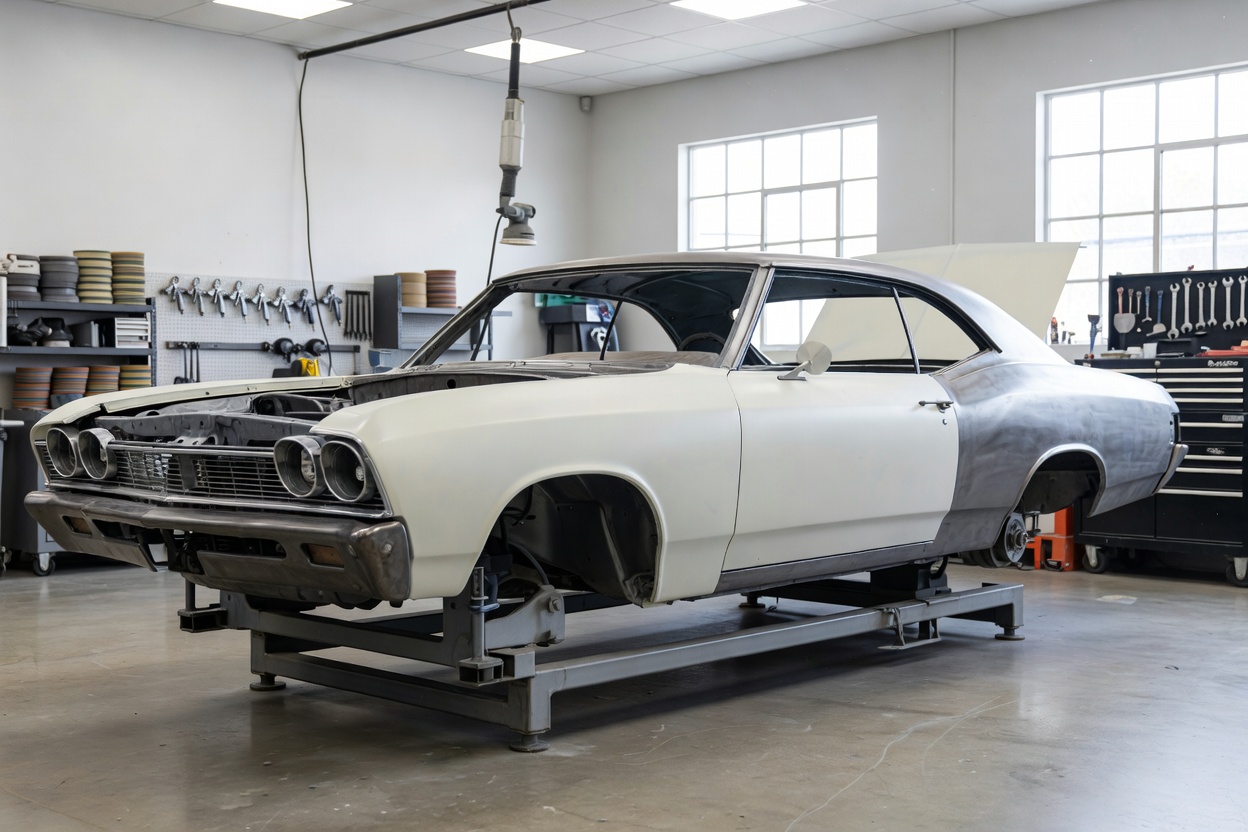
Paint can draw the eye, but the body beneath it tells the more important story. Successful body restoration depends on understanding how corrosion began, what earlier repairs changed and whether panel surfaces are stable. A glossy finish cannot prove that metal underneath is healthy. When assessing a car, look beyond color and reflections; inspect joins, edges, cavities and the quality of the panel fit.
Recognize different kinds of corrosion
Surface rust is oxidation at an exposed surface and may be limited, but it still deserves proper assessment. Deeper corrosion can thin or perforate metal, spread between overlapping panels or affect structural sections. Bubbles under paint, swelling at seams, flaky edges, distortion and recurring stains are warning signs rather than a complete diagnosis. Moisture often lingers at drain points, wheel areas, lower edges, seams and repairs. A specialist may need to inspect concealed sections; avoid assuming a clean exterior means hidden cavities are sound.
Earlier bodywork complicates the picture. Filler, replacement panels or patches may be perfectly serviceable, or may conceal poor joins and trapped moisture. Look for differences in texture, shape and paint thickness, while remembering that visual clues are not conclusive. A qualified bodywork professional can determine whether a repair is stable and suitable for the intended use.
From inspection to finished surface
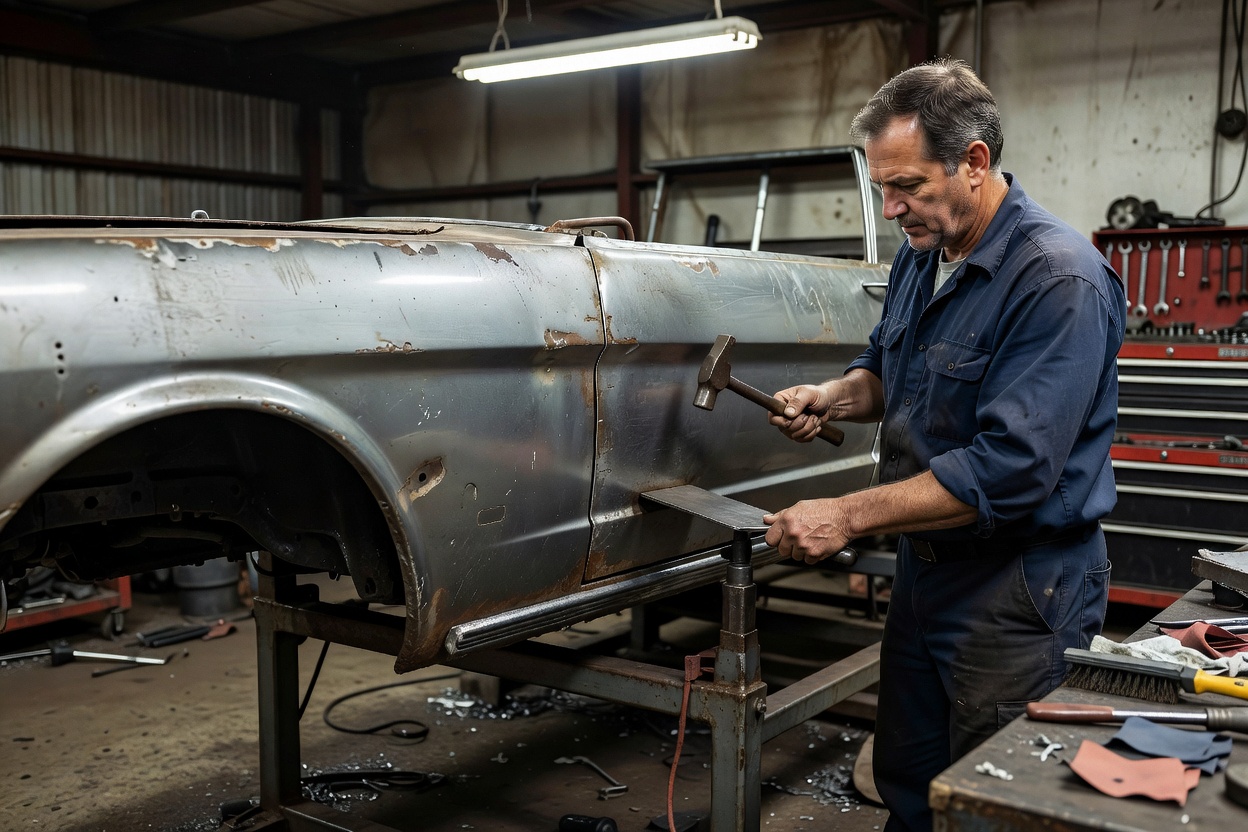
A considered process begins by documenting panel alignment and the existing finish. The repair plan may involve correcting fit, addressing damaged metal, preparing stable surfaces and choosing a compatible primer and paint system. Filler is used in some repair processes to refine surface shape; it is not a substitute for sound metal or sound structural repair. Appropriate materials and methods depend on the car, substrate, old coatings and intended finish.
Primer provides a prepared foundation within a selected paint system, but products are not interchangeable by assumption. Traditional finishes and modern coating systems differ in appearance, maintenance and application requirements. Clear coats, where part of a chosen system, affect both gloss and how the surface is cared for. Paint selection should take account of the vehicle’s history, known original color, existing finish, parts of the car that may be repainted and the owner’s preservation goals.
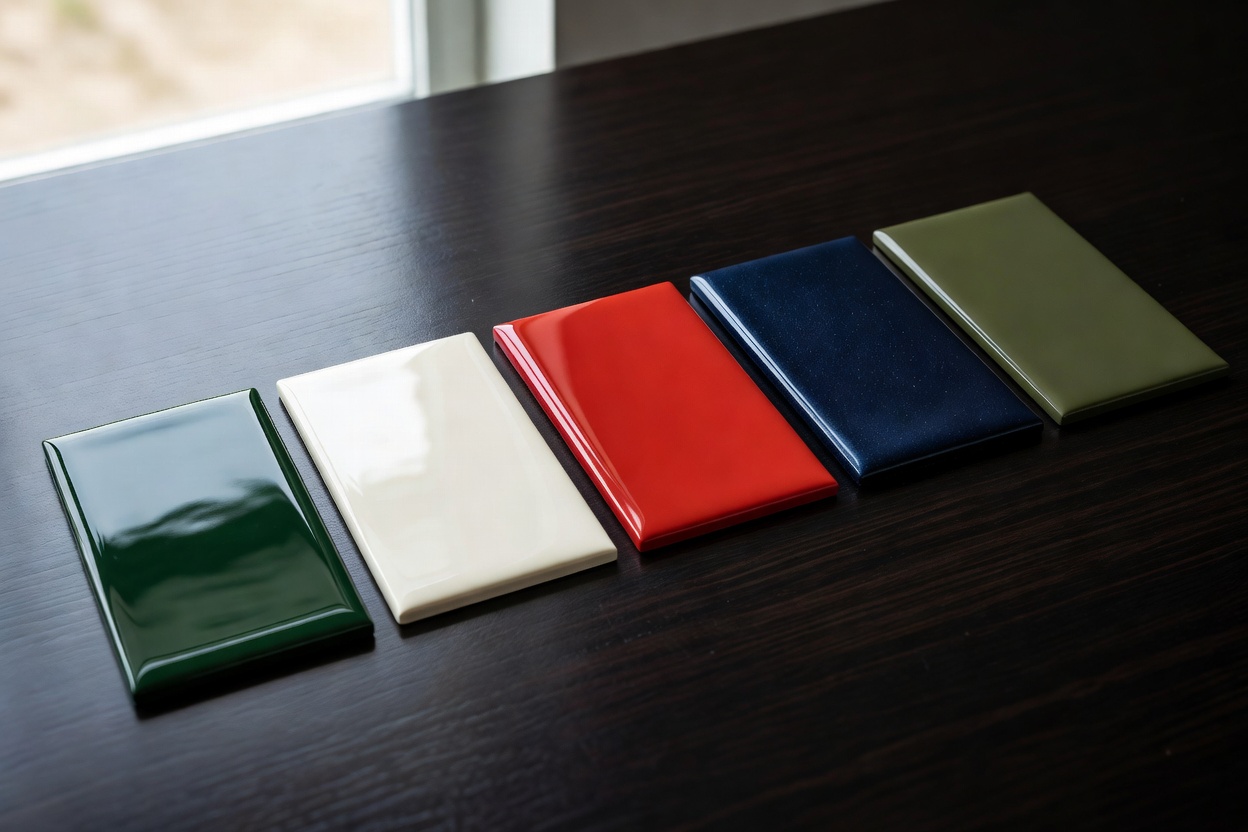
Color matching is more involved than choosing a label from a chart. Age, fading, previous repairs, lighting and the condition of adjacent surfaces all influence how a color reads. Samples and advice from an experienced refinisher can help avoid a mismatch. Polishing and final detailing are finishing operations, not a way to correct underlying corrosion or poor panel shape.
Preserve original paint or repaint?
Preserve where practical
Retaining sound original paint keeps evidence of the car’s age and past care. It avoids disturbing stable material, though imperfections may remain, the finish may require careful conservation and localized damage can limit what is achievable.
Good for: vehicles with stable, meaningful original finishes.
Repaint with a reason
A repaint may be appropriate when coatings have failed, repairs require it or the owner has chosen a documented restoration. It offers a renewed finish, but preparation is demanding and poor work can conceal rather than correct defects.
Good for: vehicles with an evidenced need and a properly scoped plan.
Inspection priorities and planning mistakes
- Check visible seams, lower edges, arches, floors and prior repair areas.
- Assess panel gaps and alignment before paint preparation.
- Record paint variations, repairs and corrosion before parts are removed.
- Confirm the coating system is suitable for existing materials and vehicle use.
- Plan how repaired areas will be protected and how moisture will drain.
Common mistakes include selecting a color before confirming the original specification, sanding or coating over unresolved corrosion, expecting filler to correct structural damage and overlooking the reverse side of repaired panels. Trapped moisture undermines long-term protection. A repair plan should consider seams, cavities, drainage and appropriate corrosion protection rather than treating the visible exterior alone.
What to know
Suitable products and processes depend on the car, substrate, existing finish and applicable safety requirements. Paint preparation and spraying can involve hazardous materials and equipment. Work should be handled by trained professionals in appropriate facilities; this overview is educational, not a hazardous-material handling guide.
Good for: owners planning corrosion repairs, paint preservation or a full refinishing scope.
Related guides
Planning and assessment · Interior refurbishment · Mechanical preservation