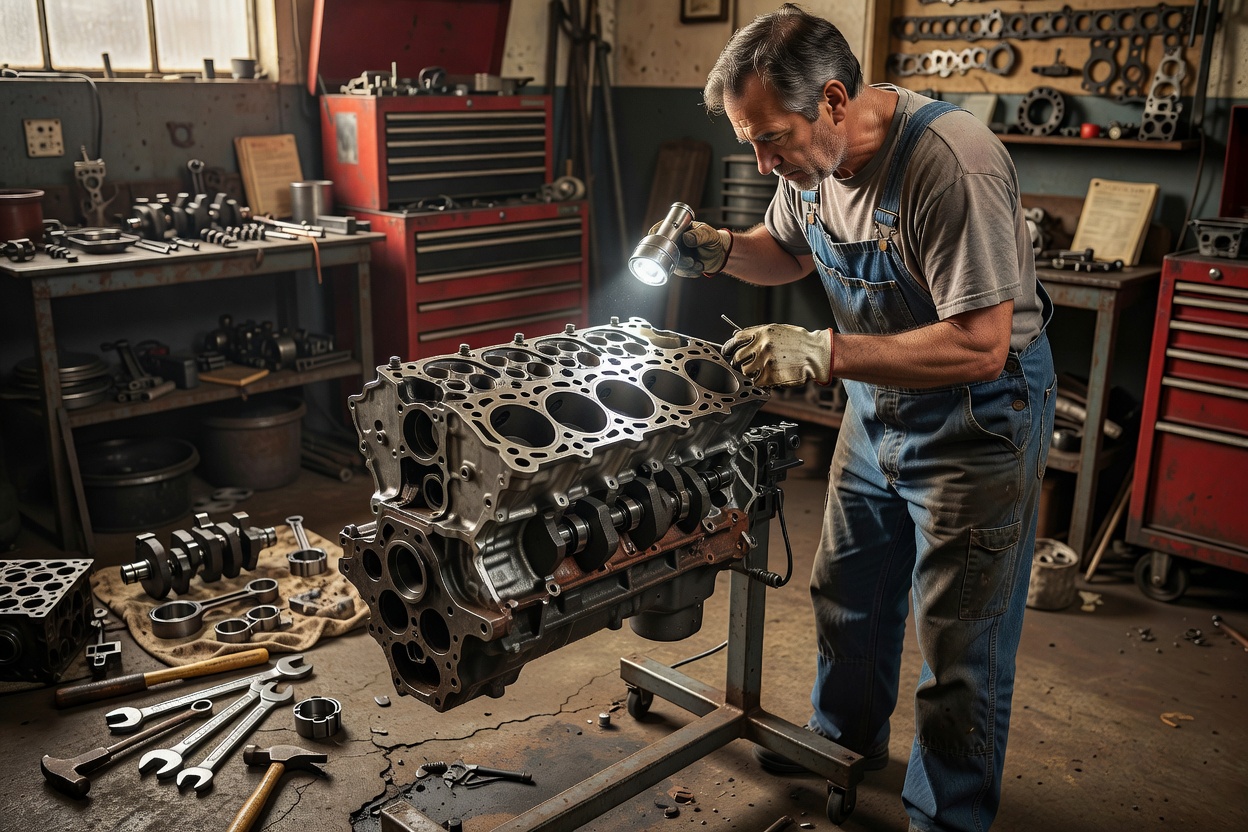
Mechanical restoration is about more than getting an engine to run. A vehicle may start readily while its brake hoses, fuel lines, steering joints, wiring or tires have deteriorated with age. Safe, reliable use depends on assessing the complete vehicle and understanding its history. Work on safety-critical systems requires competent assessment and qualified assistance where appropriate.
Begin with evidence and condition
Review service documents, prior repair invoices and any recorded mechanical changes. Look for leaks, corrosion, damaged wiring, unusual sounds, excessive smoke, overheating signs and deteriorated rubber. A short start-up does not establish internal engine condition or tell you whether the cooling system performs correctly under use. A qualified technician can select suitable checks based on the particular vehicle and its condition.
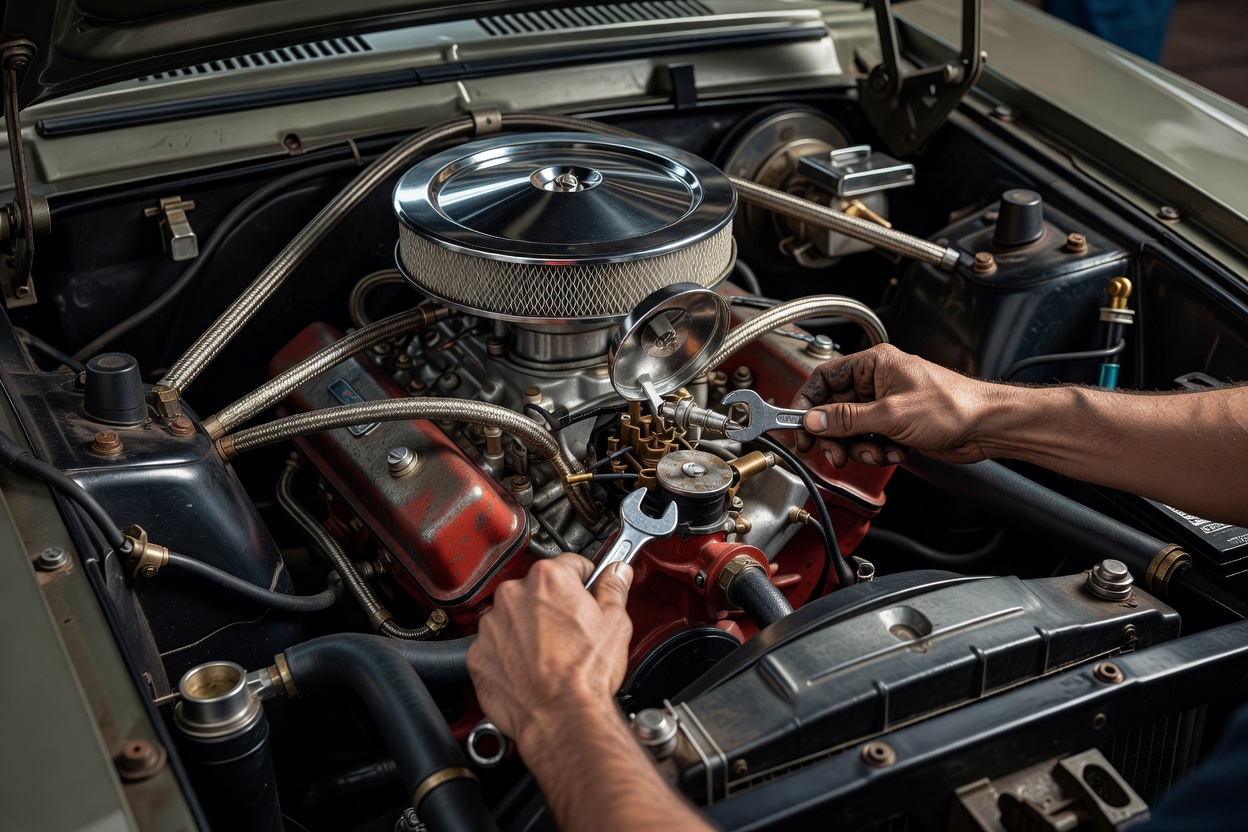
Lubrication and cooling systems deserve attention together. Long storage may leave old fluids, compromised seals, blocked passages or brittle hoses. Fuel tanks, lines, pumps and carburetion or other metering components can be affected by age, contamination and previous modifications. Investigate the complete route from storage to engine rather than treating an isolated component as the only concern.
Driveline, chassis and electrical systems
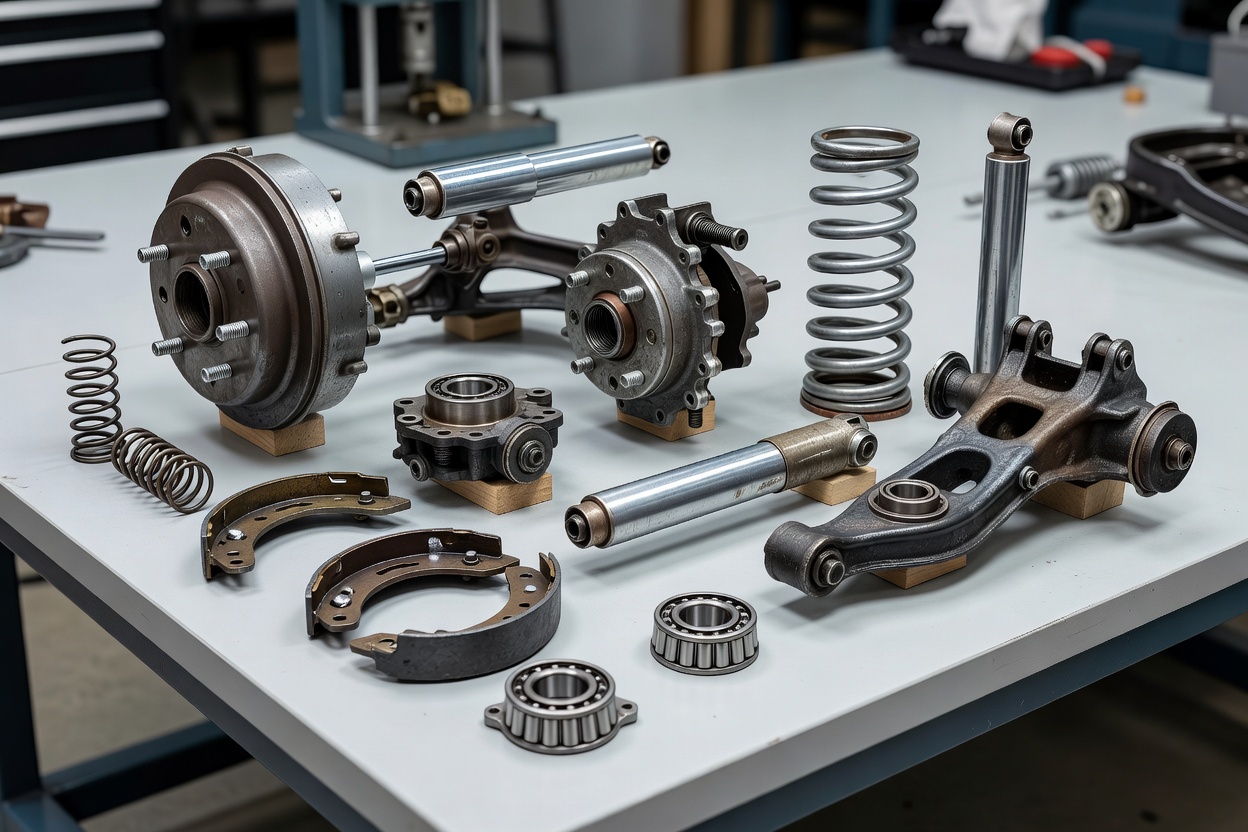
Transmission, clutch, driveshafts and differential should be assessed for operation, leaks, wear and unusual noise. Their condition and suitable repair approach depend on design and use. Brakes require particular care: hoses, pipes, friction materials, cylinders, calipers, parking mechanisms and fluid condition all matter. Steering and suspension joints, springs, dampers, mounts and bushes affect control and should be checked before road use. Tires also age and may not be suitable simply because tread remains.
Electrical systems can hide brittle insulation, improvised splices, corrosion and modifications. Assess wiring, grounds, switches, charging components, lamps and fuses as a system. Replacing sections without documenting routing may create later confusion. Rubber seals and flexible components throughout the car age even when mileage is low. Parts availability varies with model, specification and location; verify fit and suitability rather than assuming a listing applies.
Preserve, rebuild or replace?
Preserve original assemblies
Retention preserves vehicle-specific components and history where condition permits. It may require specialist conservation and can leave limited use if a component is worn or unsafe.
Good for: sound, documented assemblies that can be responsibly retained.
Professionally rebuild
A qualified rebuild can address wear while keeping an assembly in service. Scope, parts and workmanship need clear documentation; a rebuild is not automatically required for every original component.
Good for: repairable systems with an identified need and appropriate expertise.
Use a suitable replacement
Replacement may be practical when a part is damaged, unavailable for repair or not safely serviceable. Compatibility, originality and installation quality must be considered.
Good for: compromised components where a suitable, documented alternative exists.
Inspection priorities
- Have brakes, steering, suspension, tires and structure assessed before driving.
- Review fuel delivery, leaks, cooling and lubrication with a qualified technician.
- Inspect wiring, charging, lights, connections and earlier modifications.
- Record component identity, prior repairs, service documents and observed symptoms.
- Confirm parts suit the vehicle’s exact specification and intended use.
- Plan a post-restoration inspection and a realistic ongoing maintenance schedule.
Safety and practical planning
Do not treat a successful engine start as permission to drive. A stationary inspection or controlled workshop assessment should establish what is safe and what needs repair. Avoid attempting hazardous work without training, tools and suitable facilities. Do not bypass safety systems or evade applicable inspections. Ask specialists to explain the reasoning, document replaced parts and identify follow-up checks.
Originality and practical reliability are not mutually exclusive, but choices involve trade-offs. A discreet replacement may improve dependable operation while changing originality; a preserved original part may require careful use or continued monitoring. Decide what matters for the particular car, document modifications and plan maintenance based on condition rather than assumptions.
What to know
Post-restoration checks matter because components settle, seals may need monitoring and previously unseen issues can emerge in use. Keep service records, parts references and maintenance notes together. Technical specifications and procedures vary by model, year and market.
Good for: owners assessing a stored car, planning a rebuild or preparing for responsible road use.
Related guides
Planning and assessment · Bodywork and paint · Automotive history