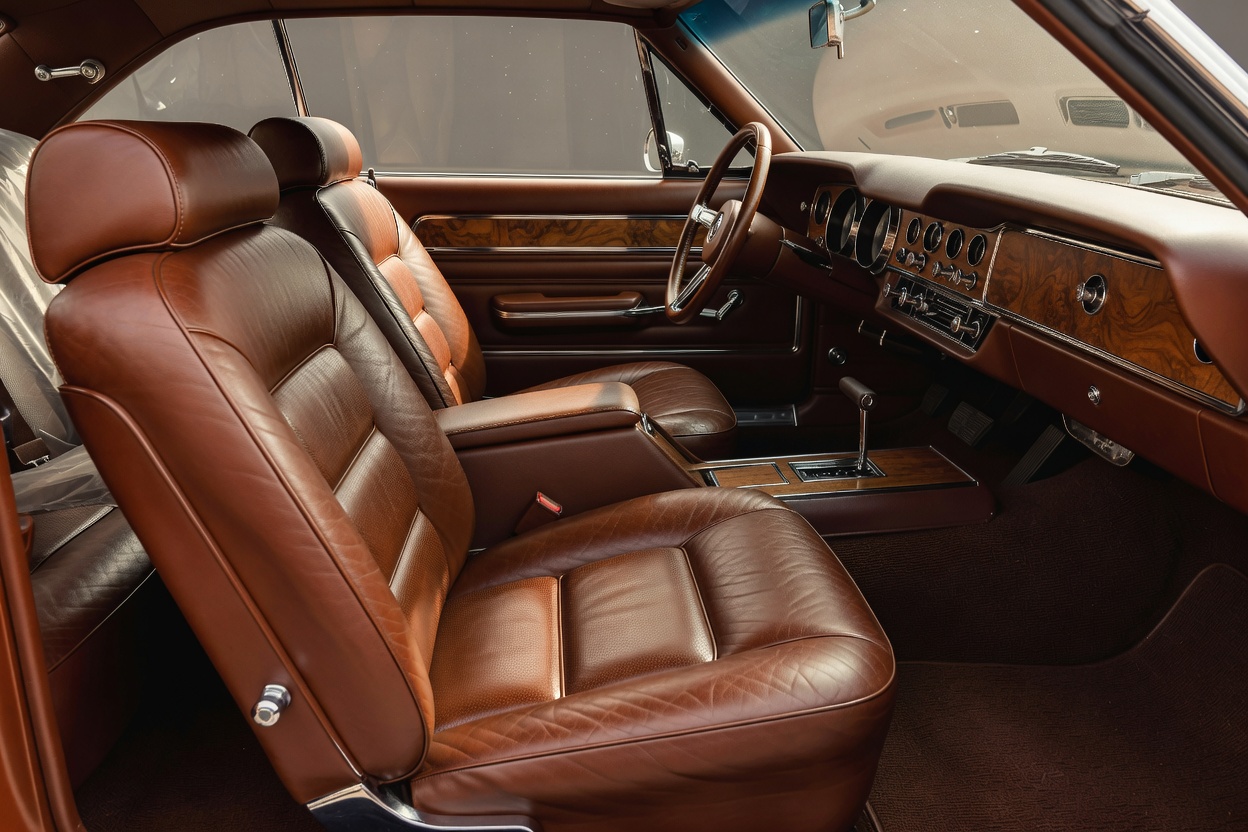
Restoring an interior is a balance between comfort, condition and historical character. A worn seat or faded carpet may be part of a car’s story, while a damp, damaged or unsafe component may need intervention. Before ordering upholstery, identify what remains original, document construction and patterns, and investigate why the materials deteriorated. Sunlight fades and dries surfaces; moisture encourages staining, corrosion and musty odors; age makes adhesives, foam and elastic materials brittle. Long periods of poor storage can affect an entire cabin.
Start with structure and evidence
Inspect seat frames, springs, supports and adjustment mechanisms as well as the visible upholstery. A seat may look complete while its structure or attachments require attention. Examine leather and fabric for cracking, loose seams, faded areas and previous patches. Leather can dry and stiffen; fabric can fray, shrink or lose color. Cleaning or conservation should match the material and its condition. Test a suitable approach discreetly, and seek advice when finishes are fragile or historic.
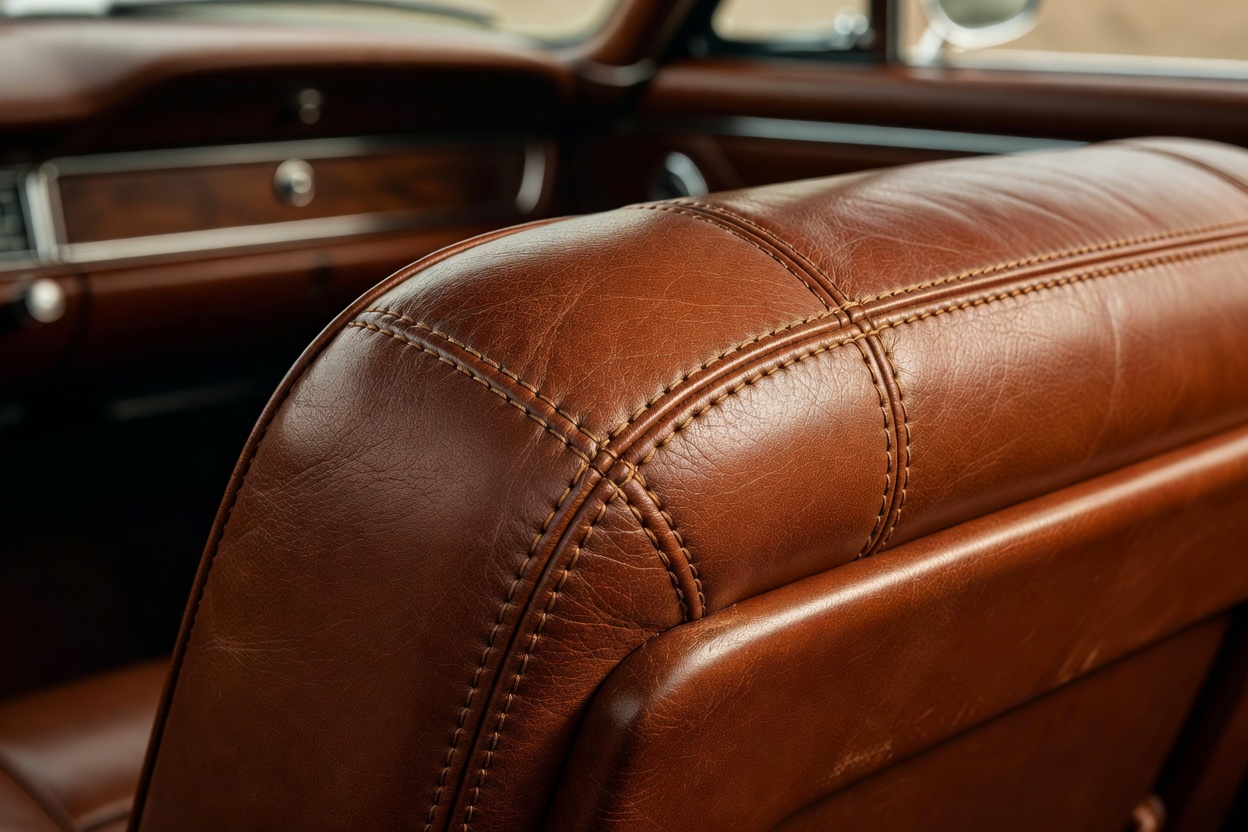
Photograph stitching, seam placement, piping, pleats, grain, colors and fasteners before dismantling. Record the layers and attachment methods as pieces are removed. Period appearance is not just a color choice: the pattern, thread, edge treatment and construction can all shape the result. Research vehicle-specific references rather than relying only on generic catalogue descriptions.
Cabin materials and components
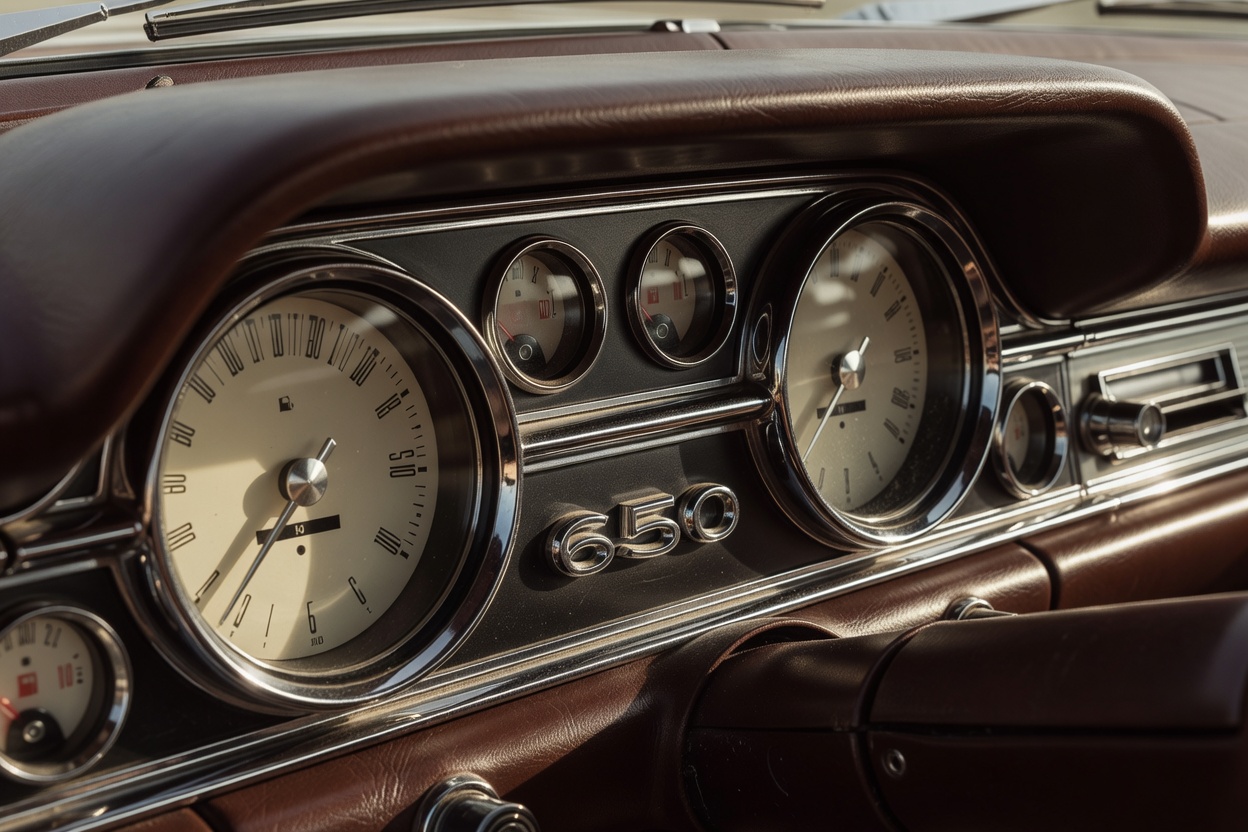
Dashboards may combine painted metal, molded materials, wood veneer or other finishes. Inspect for cracks, lifted veneer, failed coatings and evidence of previous repairs. Instrument panels, switches and controls should be documented before removal; correct arrangement and finish may vary by year or market. Avoid aggressive cleaning that can erase markings or damage delicate surfaces. Wood trim needs particular care because sun, moisture and old coatings affect both appearance and stability.
Carpets and floor coverings can hide dampness or corrosion below them. Check under mats and around seams where practical, then investigate any persistent moisture before installing new material. Headliners can sag as adhesives and backing deteriorate. Door cards and trim may incorporate different substrates and fasteners, so preserve templates and label pieces as they come off. Weather seals are part of cabin comfort and water management; brittle or poorly fitting seals may contribute to drafts and moisture intrusion.
Lingering interior smells can indicate dampness, old materials or contamination rather than simply a need for fragrance. Identify and address the source, with professional help if there is a potential health concern. Correcting moisture before fitting new upholstery protects the work and may reveal unrelated body or floor repairs that affect project scope.
Original materials or complete retrimming?
Conserve what survives
Preserving sound original material retains wear patterns, age and construction evidence. It may not produce a pristine appearance, and brittle or unsafe components can limit what is practical.
Good for: interiors where original material remains stable and meaningful.
Retrim with research
Replacement can restore usability where coverings are beyond repair. Reproduction materials may differ in grain, color, feel or weave; correct patterns and skilled fitting take investigation.
Good for: cabins with extensive damage or a clear need for replacement.
Original material is not automatically the right choice if deterioration compromises safety or function. Conversely, replacing everything can remove sound material unnecessarily. Consider a mixed approach: conserve panels that can be retained, repair selected sections and replace only components that cannot reasonably be saved. Document decisions and keep removed samples when they may help future research.
Practical refurbishment checklist
- Photograph seats, dashboard, controls, trim, floor coverings and headliner before removal.
- Note material type, colors, stitching, patterns, grain, fasteners and previous repairs.
- Investigate dampness, leaks, smells and floor condition before fitting new materials.
- Check seat structure and attachments, instruments, controls and weather seals.
- Compare original, reproduction and alternative materials for finish and construction.
- Keep templates, labels, samples and a record of every replacement.
What to know
Matching a period appearance may require research into upholstery materials, stitching patterns, colors, veneer and construction methods. Specifications can vary across production years and markets. Comfort and everyday usability matter too, but changes should be considered in relation to the vehicle’s history and documented clearly.
Good for: owners assessing worn interiors, conserving original trim or planning a researched retrim.
Related guides
Planning and assessment · Bodywork and paint · Design history
Considering interior work?
Send us a general question about trim, materials or planning.
Contact the journal